Loading...

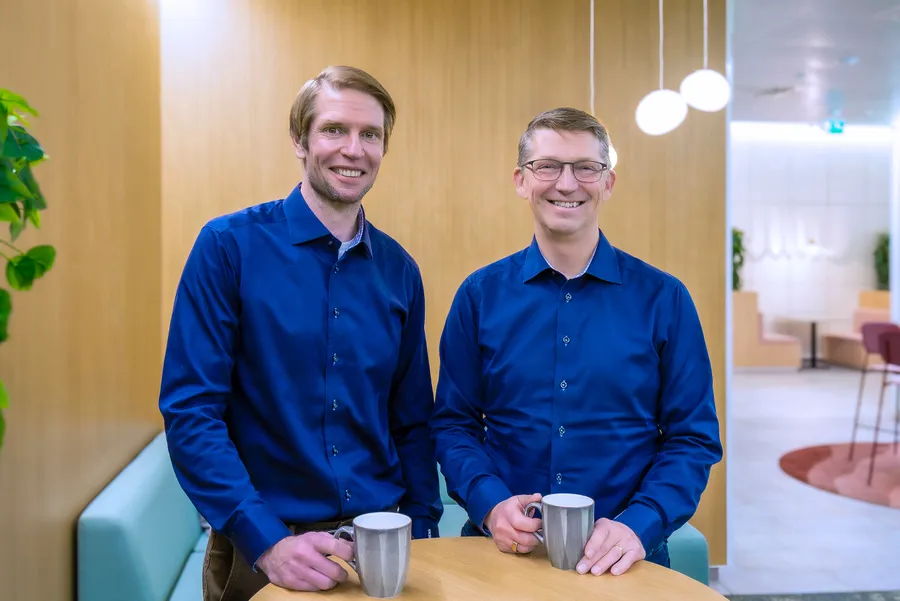
Moving hydrogen projects forward means considering electrification, automation, energy infrastructure and digital solutions together from the start. As Main Partner of Hydrogen Summit & Expo 2027, Siemens brings these capabilities together throughout the full project lifecycle.
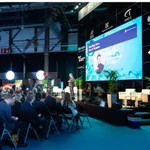
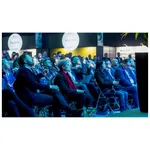
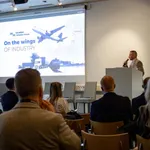
Hydrogen Summit & Expo returns to Tampere on 20–21 January 2027, connecting key players across the hydrogen value chain in Northern Europe and the Baltic Sea region. Industrial companies, energy and infrastructure organisations, technology providers, investors and decision-makers gather to explore ongoing and upcoming opportunities.
The 2027 programme focuses on issues shaping the market now, including lead markets for hydrogen and its derivatives, smart energy infrastructure, CCUS, regulation and funding.
For Siemens, the timing is particularly relevant.
“We have seen a few years with a lot of projects in development and questions around whether they will move forward. Now we see that the market is moving. This is the time to be at the forefront of building the hydrogen market and enabling its growth,” says Jussi Mäntynen, Head of Electrification and Automation for the Nordic and Baltic region at Siemens.
Siemens can support hydrogen projects from early concept verification and engineering through commissioning to operations and continuous optimization. Its expertise spans power distribution, automation, industrial processes and digital solutions.
Looking at these areas as one system from an early stage can reduce interfaces, increase transparency and enable simulation and testing before production starts. Digital tools can also support plant optimization and personnel training.
“We do not need to wait for one major technological breakthrough. A lot of the technology is already here. The focus now should be on how we put it to use effectively,” says Jussi Salomaa, Sales Director for Digital Industries in Finland and the Baltics at Siemens.
Experience from working with process and equipment suppliers allows Siemens to apply proven concepts and lessons from previous projects to new investments. Siemens will also bring international project expertise to Tampere, giving participants the opportunity to exchange views on how hydrogen projects are progressing in other markets.
Hydrogen can help reduce dependence on fossil energy, especially in industrial processes that are difficult to electrify directly. It can also connect renewable electricity with industrial demand and enable derivatives such as e-methane, e-methanol and ammonia.
Technology alone, however, does not make a viable project. Strong business cases and the right conditions – from financing and regulation to permitting and offtake – are essential.
“The technology exists, but a cleaner and more sustainable future also requires bold investments and a willingness to take risks. Above all, it requires cooperation across the whole ecosystem,” says Mäntynen.
Siemens is also involved in projects globally from an investment and financing perspective, opening the door to discussions beyond technology and engineering.
Hydrogen Summit & Expo 2027 takes place simultaneously with Verkosto, the leading trade fair for energy, data and information networks in Northern Europe and the Baltic Sea region.
Verkosto focuses on electricity, telecommunications, data and district heating infrastructure, creating a natural link to the energy systems and networks needed for the hydrogen economy.
“People coming to Verkosto can explore what is happening on the hydrogen side, while hydrogen professionals can connect with the expertise available in energy networks and infrastructure. It is a great opportunity to exchange ideas and create new partnerships,” says Salomaa.
Read more about Siemens: siemens.com